The best ERP for small businesses in 2026: comparison and when to drop the spreadsheet
The ERPs most used by small businesses in Spain are Holded (from €34 a month, the simplest), Odoo (from €14.90 per user per month, by modules), Sage and a3ERP (the ones accountancy firms use, priced through resellers) and Microsoft Business Central (from €69.30 per user per month, for companies with more structure). Choose by your key process and try two with your real data.
1 / 7What an ERP is
An ERP for small businesses brings together in one program what you currently have spread around: invoices, purchasing, stock and accounting. Chosen well, it saves hours every week. Chosen badly, it ties you for years to something nobody wants to open. Here are the ones we see most often, with prices, and how to choose.
What an ERP is
It is the company’s central management program. When you issue an invoice, the stock goes down and the accounting entry is made on its own. The usual modules:
Sales and invoicing
Quotes, orders, invoices and payments.
Purchasing
Supplier orders, delivery notes and incoming invoices.
Inventory
Stock per warehouse and minimum-level alerts.
Accounting
Automatic entries and tax forms for your accountant.
It is not a CRM: a CRM manages customers and sales. If that is what worries you, see which CRM to choose for your small business.
When to drop the spreadsheet
- Invoices in one program, stock in a spreadsheet and accounting by hand.
- You do not know how much stock you have without going to count it.
- Closing the quarter takes you days of reconciling data.
- You type the same data into two or three places.
Verifactu (the Spanish Tax Agency’s system for verifiable invoicing) requires your invoicing program to record every invoice so that it cannot be altered. A good moment to review what you invoice with.
It is all in Verifactu: what it is and who it affects.
The 5 ERPs for small businesses we see most often
HoldedThe simplest
Spanish, with invoicing, accounting, CRM and Verifactu. For services and small retail.
From €34 a month with 2 usersOdooThe most flexible
By modules: you start small and add stock, manufacturing or an online shop.
€14.90/user a month the first yearSageThe accountants’ choice
Solid accounting. A good fit if your accountancy firm already works with Sage.
Price through resellersa3ERPDistribution and industry
By Wolters Kluwer, connected to the a3 software many accountancy firms use.
Price through resellersBusiness CentralMore structure
By Microsoft. Very complete, for several companies or ambitious growth plans.
From €69.30/user a month
Prices from their websites in November 2026, excluding VAT. Add the implementation (setting up, migrating data and training): with the ones sold through resellers it can cost more than the first year’s licences.
How to choose the ERP for your small business
- Start with your key processIf you manufacture, manufacturing. If you sell products, stock. They all cover the rest.
- Ask your accountantIf they can work with it, you save work every quarter.
- Check the connectionsBank, online shop, POS, website and CRM.
- Do the maths over three yearsLicences, users, implementation and the modules you will add.
- Test with real dataA week with your own invoices tells you more than any demo.
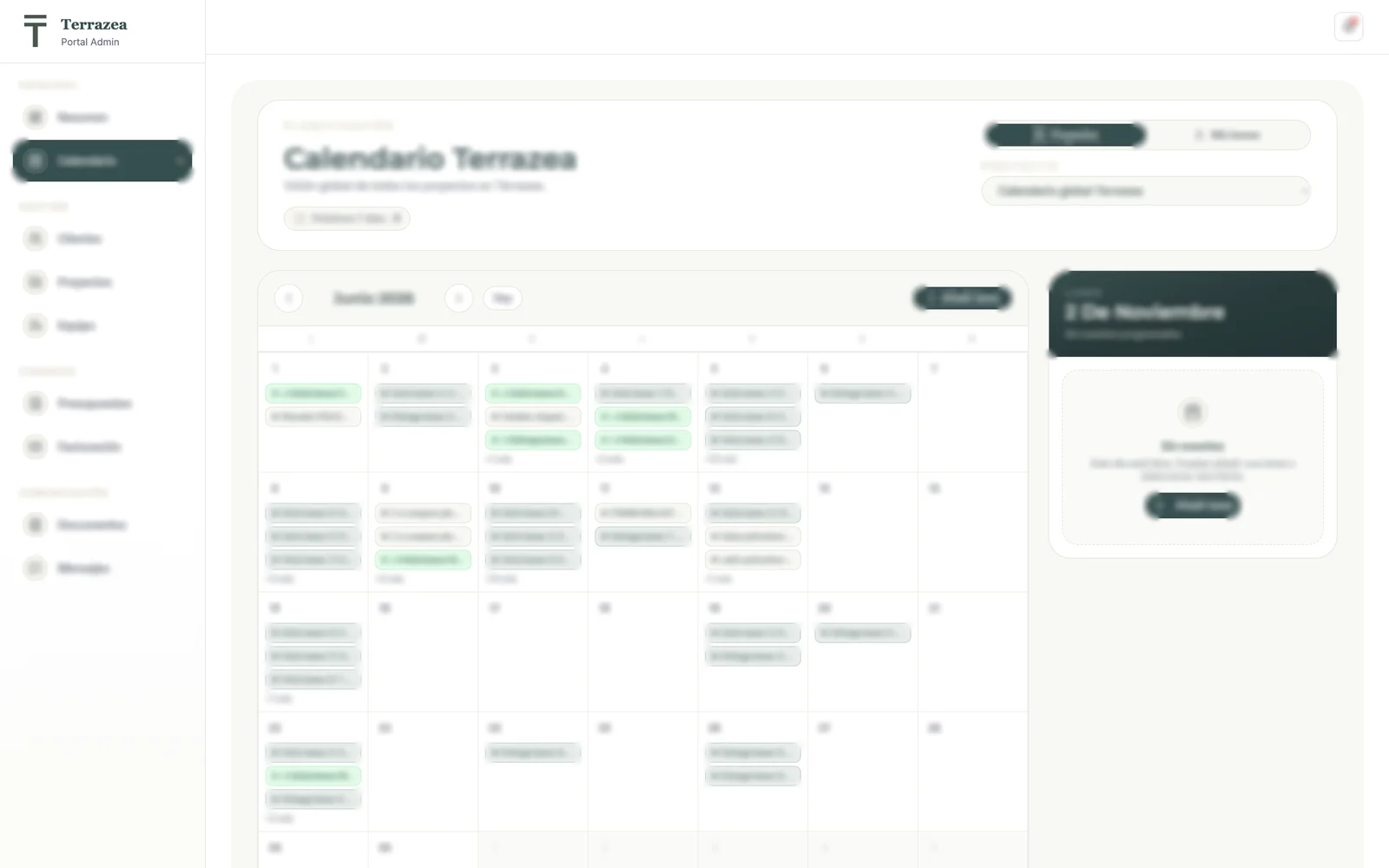
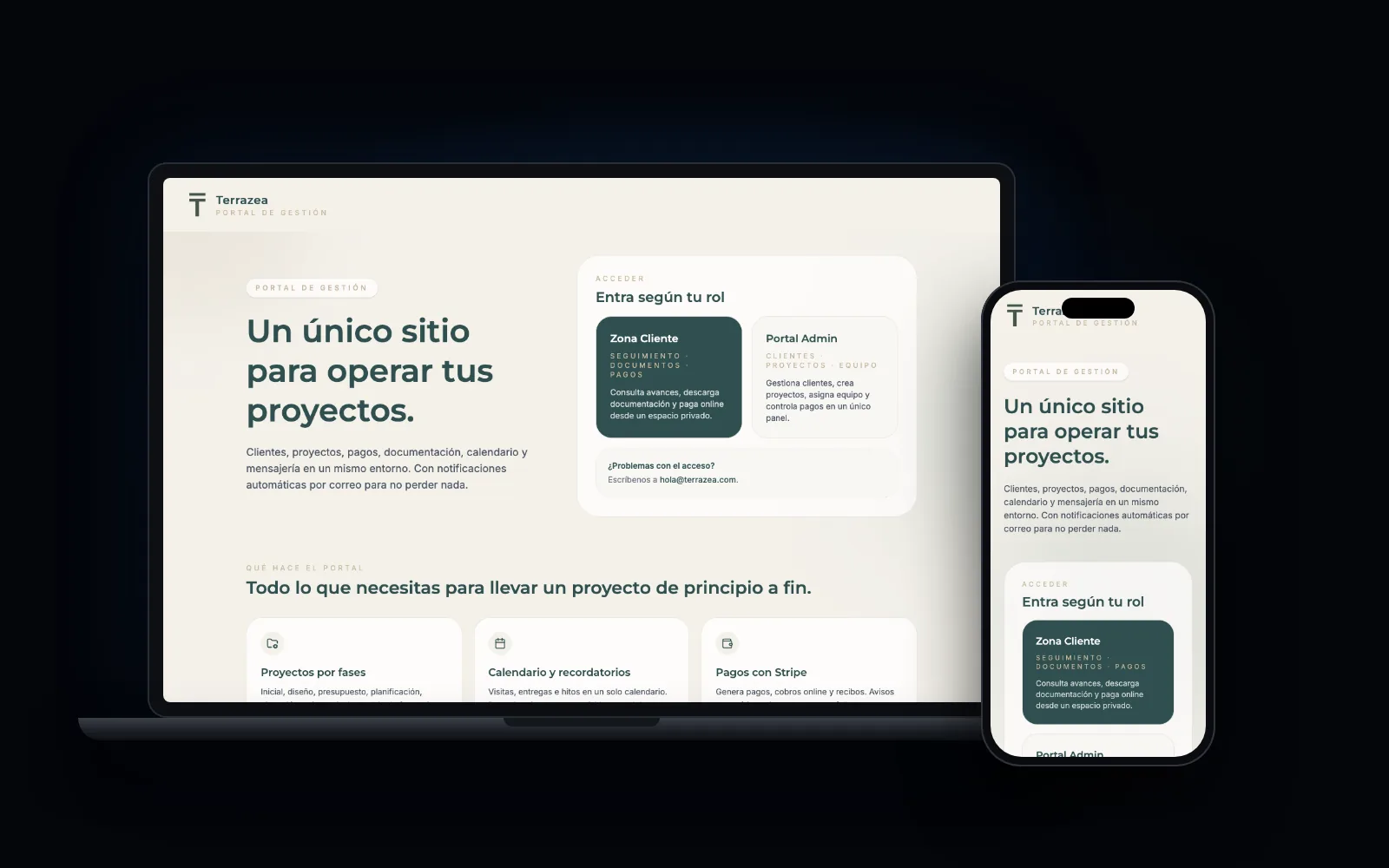
 A real case−60%time spent on admin tasksTerrazea · See the project →
Common mistakes
- Choosing on the strength of the demo. Ask about what you do differently.
- Changing everything at once. Start with invoicing and accounting.
- Over-customising a standard ERP. It ties you to the partner.
- Migrating dirty data. Clean out duplicates before you start.
When a custom ERP pays off
For the common tasks (invoicing, bookkeeping, stock), an off-the-shelf ERP. For what makes you different, a custom-built piece connected to it. That is usually the most profitable mix.
The full three-year calculation is in custom apps and ERP: when they pay off. And how we do it, in custom software.
We'll send you our next software and AI guide
Automations, software and real cases to save hours in your business. No spam.
Guides for your business, in your inbox
What we publish on websites, SEO, ads and AI for small businesses. No spam, unsubscribe in one click.
Frequently asked questions
What is the best ERP for a small business?
Holded for services and small retail, Odoo for growing module by module, Sage or a3ERP if your accountancy firm already uses them, and Business Central for companies with more structure.
How much does an ERP for a small business cost?
In the cloud, from about €15 per user a month (Odoo) or €34 a month for 2 users (Holded), up to €70-95 per user a month (Business Central). Plus the implementation.
Are there free ERPs?
Odoo is free if you use a single app, and there are open-source ERPs. For a small business, free usually turns out expensive in time.
What is the difference between an ERP and a CRM?
The ERP manages invoicing, purchasing, stock and accounting; the CRM, customers and sales. Many ERPs include a basic CRM.
How long does it take to implement an ERP?
From a few weeks to three months in a small business. Starting with invoicing and accounting makes it much easier.
Does the ERP have to comply with Verifactu?
If you invoice with it, yes. It will be mandatory for companies from 1 January 2027 and for everyone else from 1 July 2027.
Can I connect the ERP to my online shop or my website?
Most connect to the most widely used online shops and have an API. If not, it is done with an automation.
Further reading
Not sure which ERP suits you?
We look at which programs you use and where hours are lost, and tell you what suits you: an off-the-shelf ERP, a custom-built piece or both.