Digital marketing for small businesses: where to start without wasting money
Start where people are already looking for you: a clear website and your Google Business Profile. Then local SEO, which keeps working when you stop paying, and Google Ads if you need enquiries this month. Social media and email come later, unless that is where your client lives. Measure every enquiry from day one and do not split the budget equally between channels.
1 / 15You do not need to be everywhere, you need to be where it matters
Digital marketing for small businesses is not about being everywhere, but about choosing carefully where to be with the budget you have. In this guide you will find the order that works for a small business: the website as the foundation, local SEO, Google Ads, when social media and email make sense, how to measure enquiries, a 90-day plan, how much it costs and the mistakes that waste the most money.
You do not need to be everywhere, you need to be where it matters
The most expensive mistake in a small business’s online marketing is trying to be on every channel at once: website, SEO, Instagram, TikTok, Google Ads, email, newsletter. Without the team or the budget to sustain it, the result is doing everything badly and burning out along the way.
The digital marketing that works for a small business is not the one that covers the most channels, but the one that chooses well and does it consistently.
«Doing a bit of everything is the quickest way to spend a lot and notice little. Choose two channels, do them well and be consistent.»
First the goal and the client, then the tools
Before opening an account on any platform, answer two questions: what do you want to achieve and who are you aiming at? A physiotherapist in Mataró who wants ten new patients a month from the area is not the same as a Barcelona shop that sells online all over Spain.
The goal and the client decide the channels, not the other way round. If your client actively searches for what you offer, search engines lead. If it is an impulse or very visual purchase, social media carries more weight.
Choosing a channel without being clear on this is buying the ticket before you know where you are going.
What each channel brings (and what it is no good for)
Each channel plays a different role. Understanding this stops you expecting from one what only another can give.
| Channel | What it is for | What it is no good for |
|---|---|---|
| Website | Convincing people and collecting enquiries from all the other channels | Bringing in visits on its own |
| SEO and Google Business Profile | Capturing people already looking for you; it leaves an asset that works every day | Results this month |
| Google Ads | Appearing at the top from day one when people search for your service | Continuing to bring clients once you stop paying |
| Meta Ads (Facebook and Instagram) | Creating demand among people who were not yet looking for you | Capturing someone with an urgent need |
| Organic social media | Brand and trust in the medium term | Selling on its own |
| Getting people who already know you to come back and buy again | Winning new clients |
On a tight budget, where to start
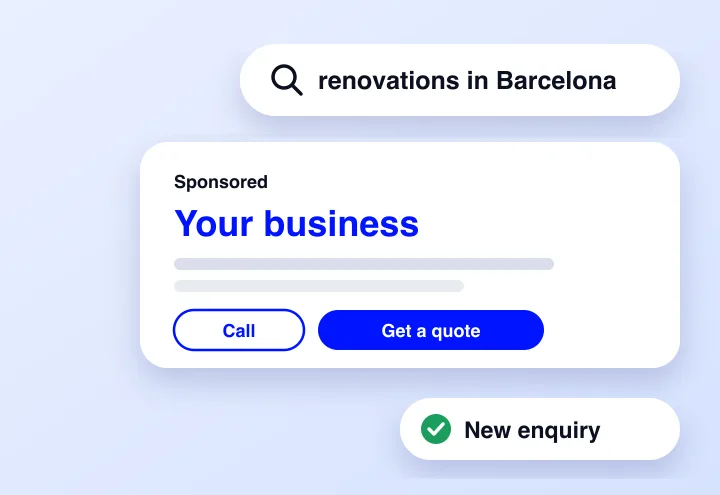
With limited resources, the key is to concentrate, not to spread yourself thin. For most small businesses in Barcelona and the Maresme, this is the order:
- A website that converts and a complete Google Business Profile.
- Local SEO, to appear on the map and on Google when people search in your area.
- Google Ads, if you need enquiries while the SEO matures.
- Meta Ads, if your product sells on looks or you need to make yourself known.
- Email and automations, so you do not lose quotes and clients come back.
Start with an investment you can sustain for several months, because marketing needs continuity to produce reliable data. It is better to invest a little consistently for six months than to make one big outlay and give up.
Organic and paid are not rivals
Advertising delivers results from day one, but they stop as soon as you stop paying. SEO takes longer, but it builds an asset that keeps bringing in clients without paying for each one. Use advertising to sell today and SEO so you do not depend on it tomorrow.
We compare them with figures in SEO or Google Ads.
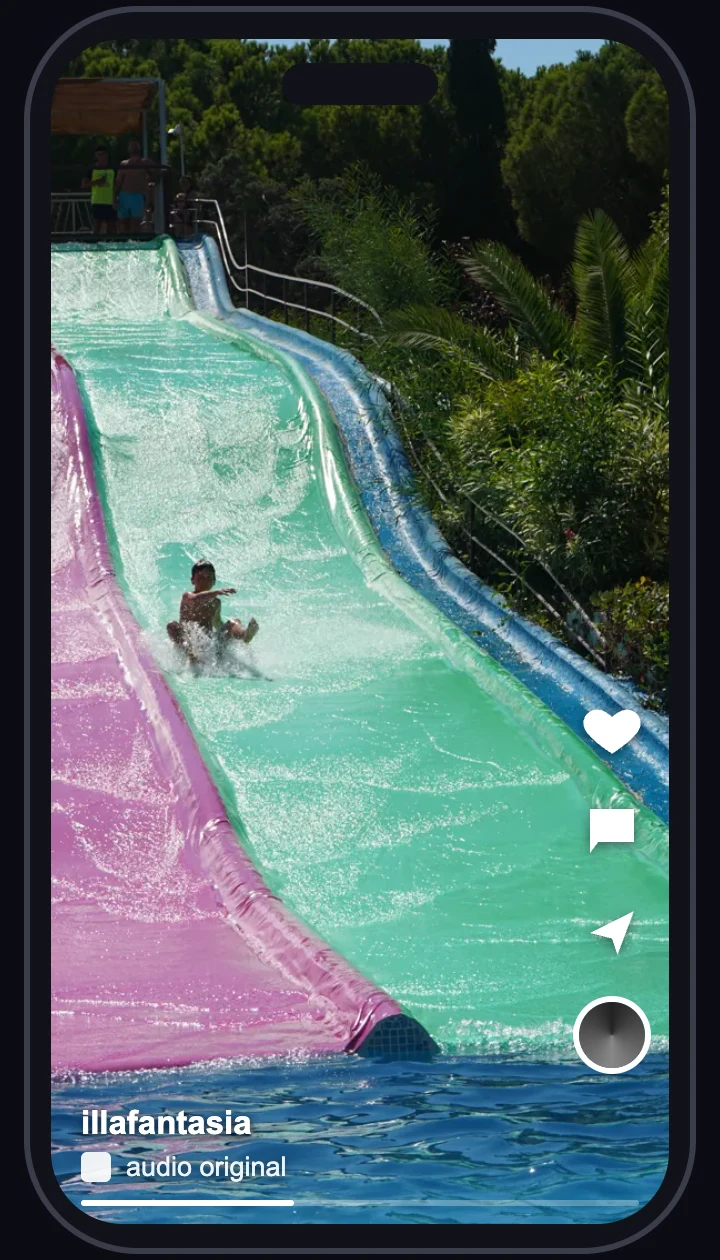
 Real exampleIlla FantasiaInstagram and Facebook campaigns that returned almost €12 in sales for every euro invested.×11.6 return on ad spendSee the project →
The website, the foundation for everything else
Every channel ends up on your website. If it does not convince, the SEO, the ads and the social media are wasted. For a small business, a good website is not the prettiest one, but the one that does this:
- Within five seconds it is clear what you do, where and for whom.
- The phone number and WhatsApp are in view on mobile, without having to look for them.
- It loads quickly on mobile, which is where many of your clients search from.
- It has a page for each important service, not everything piled onto the home page.
- Every call, WhatsApp message and form is measured.
If your website does not do this, fix it before spending a single euro on ads. You will find what a website costs and what it includes in how much does a website cost.
Local SEO: being found in your area
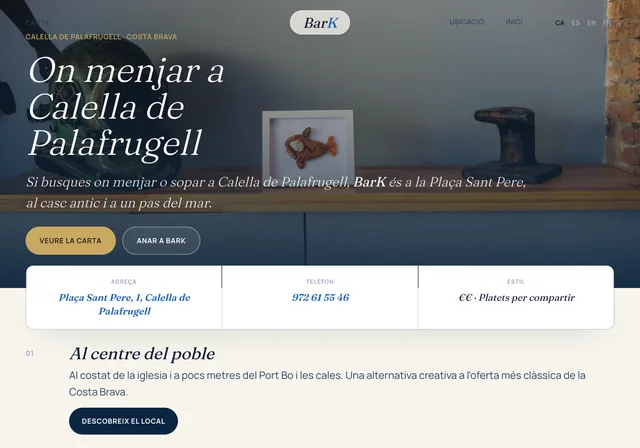
When someone searches for “dentist in Premià de Mar” or “garage near me”, Google shows a map with businesses before the normal results. For almost any business with premises or a service area, appearing there is the priority.
- A complete, verified Google Business Profile: categories, opening hours, services and real photos. It is free.
- Reviews: ask for them after every job done well and reply to all of them.
- Pages by service and area on your website, with the name of the town where you work.
- The same details everywhere: identical name, address and phone number on the website, the profile and directories.
For competitive searches, SEO usually shows results within 3 to 6 months. You will find the step-by-step in our guide to local SEO and Google Business Profile.
Google Ads: enquiries from the first month
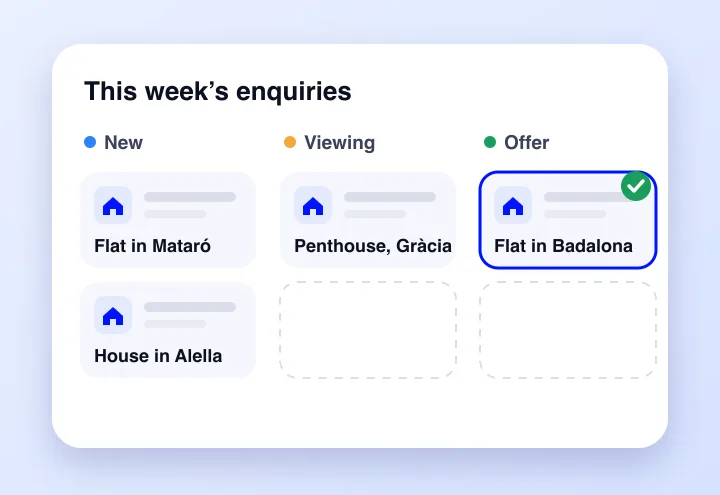
Google Ads puts you in front of people who are already looking for your service. There is no minimum spend, but with very little you never get enough data to make decisions. As a guide, a click costs between €1.50 and €2.50 for local searches in the Maresme and between €3 and €6 in Barcelona city: with €300 a month you buy about 150 clicks locally or between 50 and 100 in the capital.
- Pay only for searches with purchase intent and exclude those from the curious, job seekers or students.
- Target the area you actually serve, not the whole province.
- Send each ad to a page about the same thing, not to the home page.
How the auction works and how to calculate your budget, in Google Ads for small businesses.
Social media: when it makes sense and when it does not
Many small businesses start with Instagram because it is free and familiar. Posting every day gives you presence, but it rarely fills the diary on its own.
- It does make sense if you sell something visual or leisure-related: restaurants, events, fashion, beauty, family activities. Also so that people arriving from Google see an active business.
- It is not the first step if your client has an urgent need (a locksmith, a breakdown) or if you sell to other businesses. That client searches on Google.

Where social media can bring measurable sales is with ads. For Illa Fantasia, Meta Ads campaigns returned 11.6 times the ad spend. We explain it in the guide to Meta Ads for small businesses.
Email: the forgotten channel
Email is no good for winning over strangers, but it is a very cheap way to get people who already know you to come back. You do not need a weekly newsletter. Three well-thought-out messages are enough:
Quote follow-up
A reminder a few days later if the client has not replied.
Reminders
The car’s annual service, a dental cleaning, renewing a service.
Bringing them back
Something new or a season starting, for people who have already bought from you.
Only write to people who have given you permission or are already your clients, and always include an easy way to unsubscribe. These messages can be automated and connected to your website and your CRM.
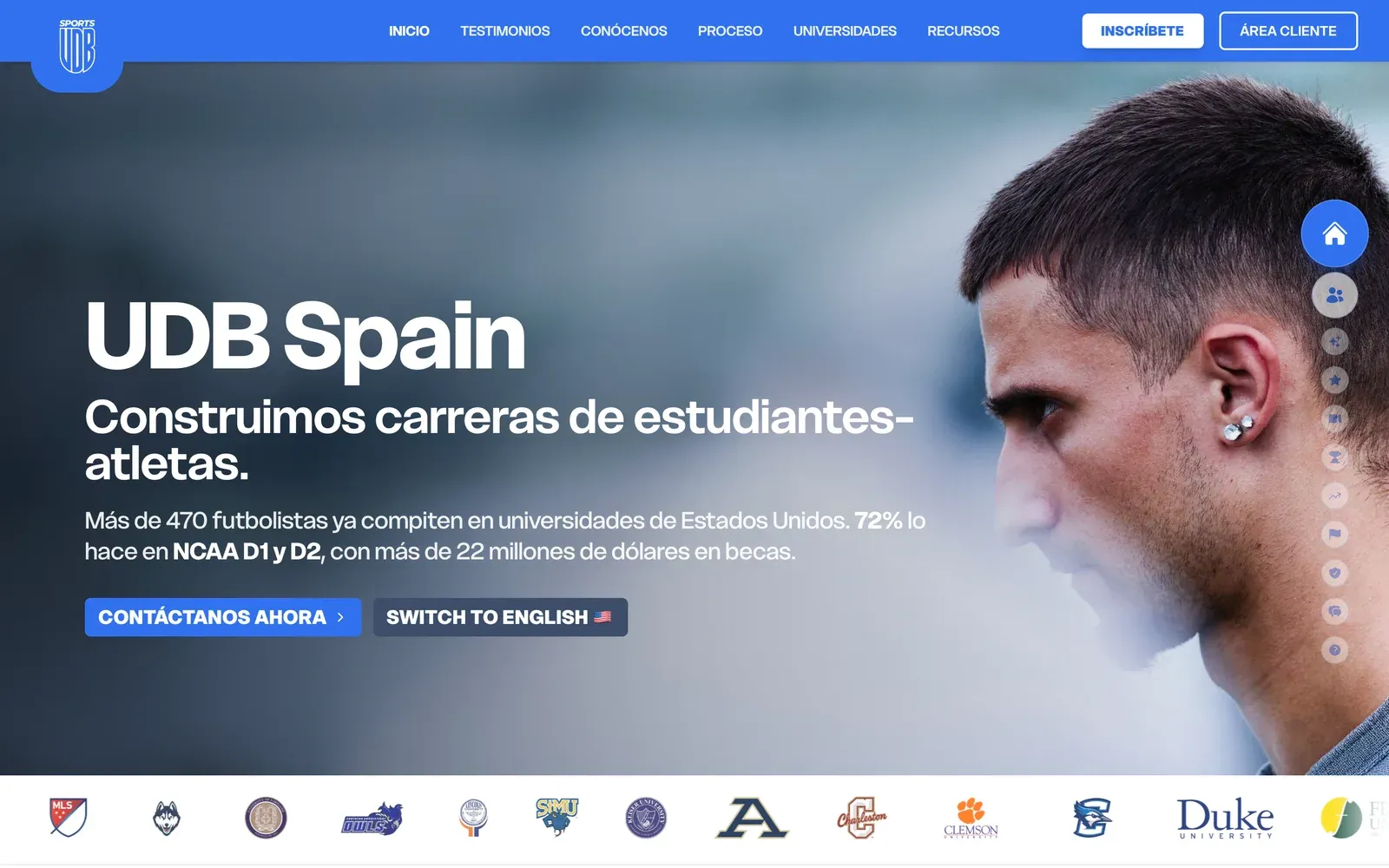
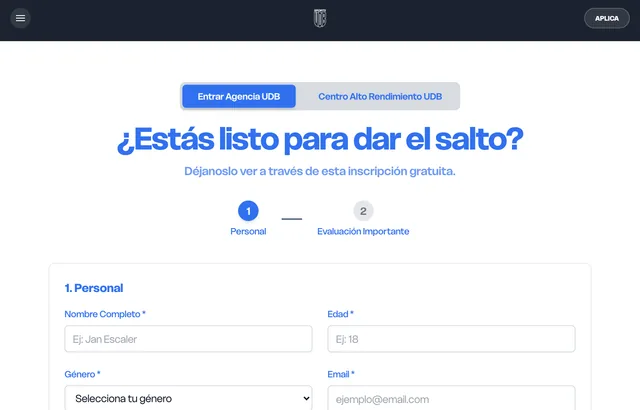 A real case2,882leads captured for its sales teamUDB Sports · See the project →
Without measurement there is no marketing, only intuition
Online marketing has a huge advantage over traditional marketing: almost everything can be measured. Making the most of it is what separates investing from spending. Before launching anything, have this set up:
- Google Analytics with calls, WhatsApp messages and forms marked as goals.
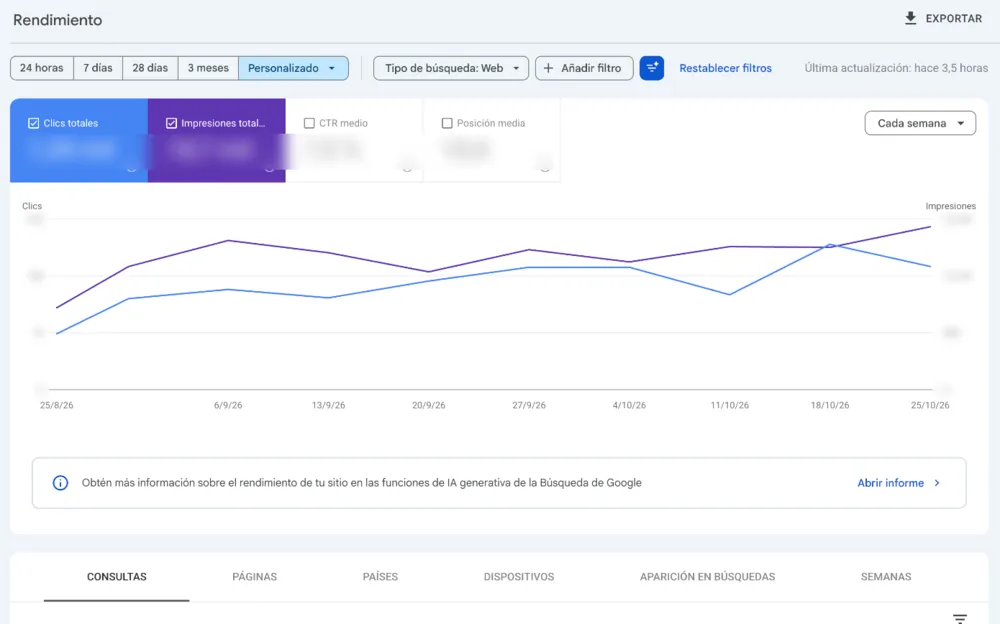
- Search Console, to see which searches you appear for on Google.
- Enquiries broken down by channel: how many come from Google, the map, the ads or Instagram.
- Cost per enquiry for each campaign, every month.
- Accounts in your name: Analytics, Google Ads and Meta have to be yours.
Review the numbers every month. What brings enquiries gets more; what does not gets cut. Likes and impressions are worth a look, but they do not pay the bills.
A 90-day digital marketing plan for a small business
A realistic plan for a local business starting almost from scratch:
| When | What to do |
|---|---|
| Days 1 to 30 | Review or rebuild the website, complete the Google Business Profile, set up measurement and start asking for reviews. |
| Days 31 to 60 | Pages by service and area, a first Google Ads campaign with a small budget and email follow-up on quotes. |
| Days 61 to 90 | Review the cost per enquiry, cut what does not work, strengthen what does and decide whether to try Meta Ads. |
After 90 days your SEO will not be finished, but you will have data to decide where to put the money next quarter.
How much digital marketing costs for a small business
These are our starting prices, so you have a real reference:
| Service | From |
|---|---|
| Custom-built website | €800 |
| SEO and local SEO | €150/month, no tie-in |
| Google Ads or Meta Ads management | €150/month plus ad spend, which you pay to Google or Meta |
| Google Ads and Meta Ads together | €250/month plus ad spend |
| SEO audit | Free |
A local business that is starting out can begin with the website and local SEO, and add Google Ads once the website converts. Before starting you receive a fixed quote. If you want to see how we work, we are a digital marketing agency in Barcelona; if your business is in Mataró or elsewhere in the area, take a look at digital marketing in the Maresme.
Common digital marketing mistakes in small businesses
- Splitting the budget equally across every channel. None of them ever gets enough data.
- Sending ads to the home page instead of to a page about the advertised service.
- Changing strategy every month without giving SEO time or campaigns data.
- Taking hours to reply to the enquiries that come in.
- Not asking happy clients for reviews.
- Having the accounts in the agency’s name or signing 12-month contracts with no way out.
An example of doing it patiently: for Razol, organic traffic grew by 85% in 6 months.
We help you set up your marketing sensibly
At GNERAI we help small businesses in Barcelona and the Maresme put their online marketing in order: website, SEO, advertising and measurement, prioritised according to your goal and your budget.
If you do not know where to start or feel you are spending without seeing a return, we prepare a realistic plan for you, with no hype.
We'll send you our next business guide
Marketing, grants and digital decisions explained plainly, in your inbox. No spam.
Guides for your business, in your inbox
What we publish on websites, SEO, ads and AI for small businesses. No spam, unsubscribe in one click.
Frequently asked questions
Where should a small business start with digital marketing?
With the website and the Google Business Profile. They are the foundation for everything else: if the website does not convince or you do not appear on the map, any ad performs worse. Then local SEO and, if you need enquiries now, Google Ads.
How much should a small business invest in digital marketing?
Whatever you can sustain for at least six months. With us, a website starts at €800, SEO at €150/month and ad management at €150/month plus ad spend. On Google Ads, €300 a month buys about 150 clicks for local searches in the Maresme.
Which is better for a small business, SEO or Google Ads?
They work together. Google Ads brings enquiries from the first few weeks while you pay; SEO takes between 3 and 6 months for competitive searches, but keeps working when you stop investing.
Do I need to be on social media?
It depends on your client. If you sell something visual or leisure-related, yes. If your client searches urgently or you sell to businesses, Google comes first. Having a well-kept profile helps people who arrive from other channels.
How long does it take to see results?
Google Ads, within the first few weeks once the campaign is fine-tuned. Meta Ads, within weeks. Website improvements, as soon as they go live. SEO, between 3 and 6 months for competitive searches.
Can I do digital marketing myself?
Part of it, yes: the Google Business Profile, asking for reviews and replying to them, and posting on social media. The website, technical SEO and paid campaigns need more time and practice; that is where it usually pays to delegate.
What should I measure?
Enquiries: calls, WhatsApp messages and forms, broken down by channel, and how much each one costs you. If you can, also how many turn into sales. Visits and likes help you understand, but they are not the goal.
Do I have to sign a tie-in contract with an agency?
You should not have to. With us there is no tie-in for SEO or ads, and the Google and Meta accounts are in your name. If you leave one day, you keep everything.
Further reading
Where would you start?
Take the free digital check-up in 2 minutes. Within 24 hours we tell you which channel makes most sense for your business and how much it would cost.